Sewage Contamination & Building Materials: What Gets Damaged Most?
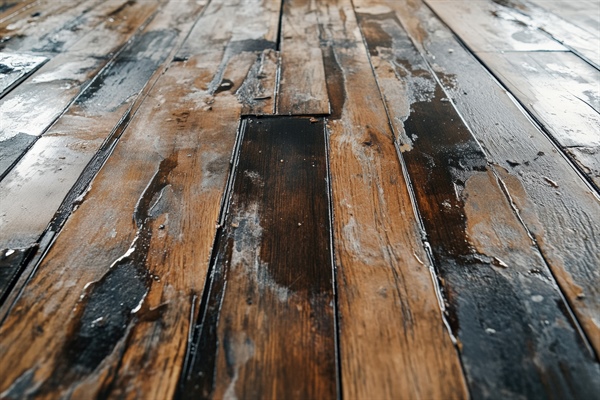
Sewage contamination is one of the most destructive and hazardous events that can impact a building. Whether from a backed-up drain, overflowing toilet, or a compromised sewer line, raw sewage introduces a combination of moisture, bacteria, viruses, and chemicals that can break down construction materials quickly and severely impact air quality.
When sewage enters a building, it poses not only a health risk but also interacts differently with every material it touches. Porous materials like drywall and insulation absorb contaminated water, becoming breeding grounds for mold and bacteria.
This article will explore how different building materials are affected by sewage contamination. We’ll cover the damage done to porous components like drywall and insulation, evaluate the vulnerability of hardwood floors, and examine the complexities involved in decontaminating carpet. If you’re facing a situation involving sewage cleanup, understanding the implications for each material is the first step toward safe and effective restoration.
The Effects of Sewage Contamination on Drywall and Insulation
Porous materials such as drywall and insulation are highly vulnerable to sewage contamination. These materials are engineered to be lightweight and absorbent, which makes them excellent for thermal control and soundproofing, but also highly susceptible to liquid absorption.
When exposed to sewage, drywall quickly wicks up moisture through capillary action, allowing bacteria, viruses, and bioaerosols to spread within wall cavities. Even limited exposure can lead to irreversible saturation, loss of structural cohesion, and the onset of microbial growth in less than 24 hours. The paper facing drywall, in particular, becomes an ideal host for mold colonies under high humidity and nutrient-rich conditions introduced by black water.
Insulation, especially fiberglass and cellulose types, presents its own challenges. Fiberglass batts lose their thermal resistance when wet, collapsing and trapping moisture, while cellulose insulation — made from recycled paper products — becomes an organic sponge for contaminants.
Once sewage-saturated, insulation becomes not only ineffective but also hazardous, retaining fecal matter and airborne pathogens that continue to pose a health risk. Removal is often the only recommended approach, as drying or cleaning insulation does not eliminate the biological hazards embedded within its fibers. Spray foam insulation, while less absorbent, can still trap contaminants between the foam and underlying structures.
Because of the material's porous nature and the high concentration of biological waste in sewage, porous surfaces impacted by black water are almost never salvageable. This is why professional sewage cleanup teams prioritize controlled demolition of affected drywall and insulation, followed by thorough disinfection and drying of structural cavities before reconstruction begins.
How Sewage Exposure Deteriorates Hardwood Flooring
Hardwood flooring, although often considered a durable surface, is highly sensitive to moisture, especially when that moisture is contaminated with sewage. Unlike clean water, sewage introduces microbial and chemical agents that rapidly degrade wood fibers and finishes.
When black water infiltrates hardwood, it seeps into the plank seams and underlying subflooring, leading to warping, cupping, discoloration, and eventual rot. The cellular structure of wood naturally absorbs moisture, and with sewage, that absorption carries harmful bacteria deep into the grain, where standard surface cleaning techniques are ineffective.
Over time, even kiln-dried hardwood can begin to delaminate or split under the strain of fluctuating moisture levels and toxic exposure. The breakdown is accelerated in tongue-and-groove systems or engineered hardwoods, where the layered construction can trap sewage between plies.
Once the finish layer is compromised, microbial growth begins beneath the surface, spreading invisibly and contributing to air quality issues. Depending on the duration of exposure and the volume of contamination, wood floors often require removal, especially if the sewage event has reached the subfloor or persisted for several hours without intervention.
Even in cases where damage appears minor, a comprehensive assessment is needed to determine the extent of contamination. If sewage has saturated the floor and traveled between boards, surface cleaning alone is inadequate. Forensic moisture testing and material sampling are often used in conjunction with professional water damage services to guide the decision between salvage and full replacement.
The Complexities of Cleaning Sewage-Contaminated Carpeting
Carpeted areas present some of the greatest challenges when dealing with sewage contamination due to their multi-layered construction. Most carpets consist of absorbent fibers, padding underneath, and porous subflooring — each of which can retain moisture and pathogens.
When sewage infiltrates these layers, contaminants become embedded beyond the surface, making complete decontamination nearly impossible without full removal. The fibrous nature of carpeting traps not only liquid waste but also microscopic pathogens and bioaerosols, leading to serious health risks even after apparent drying.
The padding beneath carpeting acts like a sponge, absorbing and holding waste-contaminated water longer than the fibers above. This results in uneven drying and promotes anaerobic bacterial growth deep within the floor system.
Odors caused by organic decay and microbial activity can linger indefinitely. Standard steam cleaning or disinfection techniques fail to reach all layers of contamination, and attempting to reuse contaminated carpet can compromise indoor air quality for months or even years. In most cases, any carpet or pad exposed to black water is considered Category 3 waste and must be removed and disposed of as hazardous material.
Professionals trained in biohazard remediation follow strict protocols when managing sewage-affected carpeting, including the use of negative air machines, containment barriers, and full PPE. While other flooring systems might be partially salvaged, the depth of contamination in carpeted areas often means total replacement is the safest course of action. Proper documentation and cleanup standards also play a key role when filing insurance claims related to sewage exposure events.
Sewage Contamination and Its Effects on Structural Wood Components
Structural wood elements such as joists, beams, and subfloor systems are foundational to building integrity. When exposed to sewage, these components face risks that go beyond moisture damage.
Black water carries not only bacteria and viruses but also corrosive chemicals and organic waste, which can infiltrate wood through cracks, knots, and joints. Once contaminated, wood fibers begin to break down, leading to a progressive loss of strength, dimensional stability, and load-bearing capacity. Structural compromise might not be visible immediately but can develop over time, particularly in areas where sewage has pooled or remained in contact with the material for extended periods.
Unlike surface-level materials, structural components are often enclosed within wall cavities or beneath flooring systems. This can delay detection and prolong exposure, compounding the damage. Even when visually dry, internal microbial colonization can continue undetected. The conditions created by sewage exposure — high moisture content and organic nutrients — provide an ideal environment for wood-decaying fungi and mold.
This microbial activity leads to dry rot, which undermines the cohesion of wood at the cellular level and results in soft, brittle framing. In humid or poorly ventilated areas, degradation accelerates dramatically.
Assessing damage to structural wood requires more than surface inspection. Professionals use moisture meters, core sampling, and microbial testing to determine contamination depth. If biohazard exposure extends into structural members, repairs may require removal and replacement rather than treatment. Insurance guidelines typically mandate the replacement of structural wood impacted by black water as a precaution against future failure and health liability.
Building Materials That Resist Sewage Damage Most Effectively
In environments where moisture and contamination risks are high, choosing materials that resist sewage damage is a critical consideration. Non-porous, inorganic materials offer the best defense. These include ceramic tile, sealed concrete, PVC-based trim, and certain types of plastic wall panels.
These surfaces do not absorb moisture, which helps prevent microbial growth and facilitates easier cleaning and disinfection. High-quality epoxy flooring systems, often used in basements, garages, and commercial facilities, provide a continuous, non-permeable barrier that resists both water and biological contaminants. When installed correctly, these materials can withstand even direct contact with black water for extended periods without structural compromise.
Another category of resistant materials includes treated lumber and composite boards that have been manufactured with antimicrobial and moisture-resistant additives. These products are often used in wall framing near plumbing systems or below grade. Similarly, foam-based insulation like closed-cell spray foam offers a high degree of resistance because it does not absorb water and does not serve as a nutrient source for mold or bacteria. However, while resistant, these materials still require inspection after sewage exposure to confirm no infiltration has occurred behind or around seams and fixtures.
Materials chosen for their resistance properties are commonly used in healthcare, commercial kitchens, and industrial environments — but they’re increasingly recommended for basements, bathrooms, and other flood-prone areas in residential construction. The use of these materials can reduce both the severity of damage and the overall cost of restoration after an incident.
Why Restoration Network Is Your Trusted Partner in Sewage Damage Recovery
Whether your home or commercial property has been exposed to raw sewage through flooding, backups, or system failure, Restoration Network has the tools, knowledge, and experience to manage the full scope of the cleanup and rebuilding process. From the moment sewage infiltrates porous surfaces like drywall and insulation to the long-term risks facing structural framing and subflooring, our licensed technicians follow IICRC-certified protocols to isolate contamination, remove unsalvageable materials, and restore safety and structural integrity.
With a dedicated 24/7 team reachable at 612-564-0202, Restoration Network stands ready to provide comprehensive, professional support. Don’t risk long-term exposure or structural degradation — contact us today to schedule an assessment and begin the recovery process.